Mostrando entradas con la etiqueta Azor. Mostrar todas las entradas

martes, 11 de octubre de 2016

Arma letal / Letal weapon

The young goshawk has caught a rabbit ... a whole adult rabbit. It can feel proud, and so betrays his gaze. It is not the first rabbit he hunts, but in its almost two years of life, most of his prey have been birds, many kinds of them...: magpies, jays, doves; also lizards, rarely a small rodent, and sometimes, even some carrion. However, the rabbit, the staple food of carnivorous predators of spanish nature, is not one of his main prey.


But a rabbit, healthy, adult and jovial ... is not only a source of pride, it is also a guarantee of a good meal, a tasty and juicy food, and puts the young goshawk live up to the great eagles, which sail fly over the mountains, the plains and the meadows, and whenever they see a rabbit, they infallibly go for him.


It’s true that the rabbit was clueless and unaware, and cluelessness cost him his life; It was surprised when the goshawk passed over a clearing in the dwelling forest; he had not thought of catching him, nor stalked ... but the goshawk is very fast, very agile, he does not miss anything ... and "catches on the fly".

The goshawk…, a medium-sized bird of prey inhabiting the forests. It flies with agility and a prodigious speed and ability to maneuver between the trees, alternating small glides and fast wing shakes, acrobatics, turns, braking, twists and leg support to the trunks, which allows him to catch small prey inside the forests.


Rabbits are not forest animals, nor usually are they found in much of the range of goshawk. Sometimes however, the predator, especially young and immature, fly over the open or forest clearings, and do not waste a chance encounter.

The hawk is a species that is distributed widely but unevenly, throughout the forests of mainland Spain.

This is actually one of the fiercest and boldest birds. The young goshawk does not know well what to do. He is excited ... It does not always kill such a large animal and his blood boils. He should hide his prey as soon as possible, take it to a perch where to enjoy it quietly, discreetly, hidden from other opportunistic animals. But is it  not too heavy to fly with it?

martes, 26 de mayo de 2015

La Dehesa de Navalquejigo

Una de las rutas más atractivas de la Comunidad de Madrid


Si hablamos de la Dehesa de Navalquejigo, podemos "anunciar" una ruta amable, en un paisaje amable de arroyos y bosques variados, roquedos en mosaico, escasos desniveles y buena sombra. Más amable si vamos en compañía de gente amable o de nuestra gente amada.


Podemos "describir" nueve Kilómetros de ruta circular de dificultad baja, por un sendero bien señalizado que combina la belleza de su paisaje con una distancia a la ciudad de Madrid que facilita su descubrimiento.


Igualmente podemos "enunciar" sus valores históricos o naturales; Su historia que se remonta al menos hasta el siglo XVI… téngase en cuenta que por ella discurre la Cañada Real Leonesa...
y la ciencia, que por su parte dice que sus más de 450 ha se ubican en una zona llana, denominada “nava”, consistente en un monte de dehesa, mayoritariamente con encinas y pinares de pino piñonero, pero también con una rica variedad de bosquetes de alcornoques, arces, fresnos y quejigos, de los que toma su nombre.

Finalmente podemos "reseñar"  que se trata de uno de los mejores encinares de nuestro entorno, por su estado de conservación, por la variedad de sus ecosistemas y por la riqueza de sus comunidades faunísticas, particularmente la de aves.


En suma, un paseo muy agradable entre encinas, a la orilla de algún arroyo en el que hay que prestar mucha atención porque podemos tener la suerte de ver algunas aves singulares, desde los omnipresentes rabilargos, hasta nuestras mayores águilas, lagartos ocelados, ciervos y jabalíes…  que por algo le dan el reconocimiento de formar parte indiscutible de la riquísima  Zona de Especial Protección de Aves ZEPA 56.

El recorrido, partiendo de Fresnedillas de La Oliva, comienza al inicio del camino que sube hasta “La Cabezuela”. 
A partir de ahí pasaremos por el picadero y la fábrica de quesos de igual nombre y más adelante por la Yeguada Conchaymar. 
Un poco más adelante y tras cruzar un arroyo, tenemos que abrir la puerta a la derecha del camino, que nos introduce de lleno en la dehesa.… 
Después, solamente queda seguir los hitos de esta ruta balizada y prestar atención para ir descubriendo sus numerosos valores. 

(Se debe mencionar que esta ruta está restringida entre los meses de marzo y septiembre, debido a la presencia de fauna sensible y protegida, pudiéndose en esta época limitar a pasear por la pista principal o a admirar las vistas de la Dehesa desde la ctra de Fresnedillas a Robledo de Chavela).

viernes, 6 de febrero de 2015

The landscape collector

FEBRUARY 15

Canal de Castilla (Palencia - Spain)


Nature, technology and art, the Castillian XVIII's century Man Made River year round seduction emphasizes when nature provides for hibernation.. 

Wildlife manifests in any corner any spot, any time: a heron, a mallard, a kingfisher...


Saja (Cantabria - Spain)

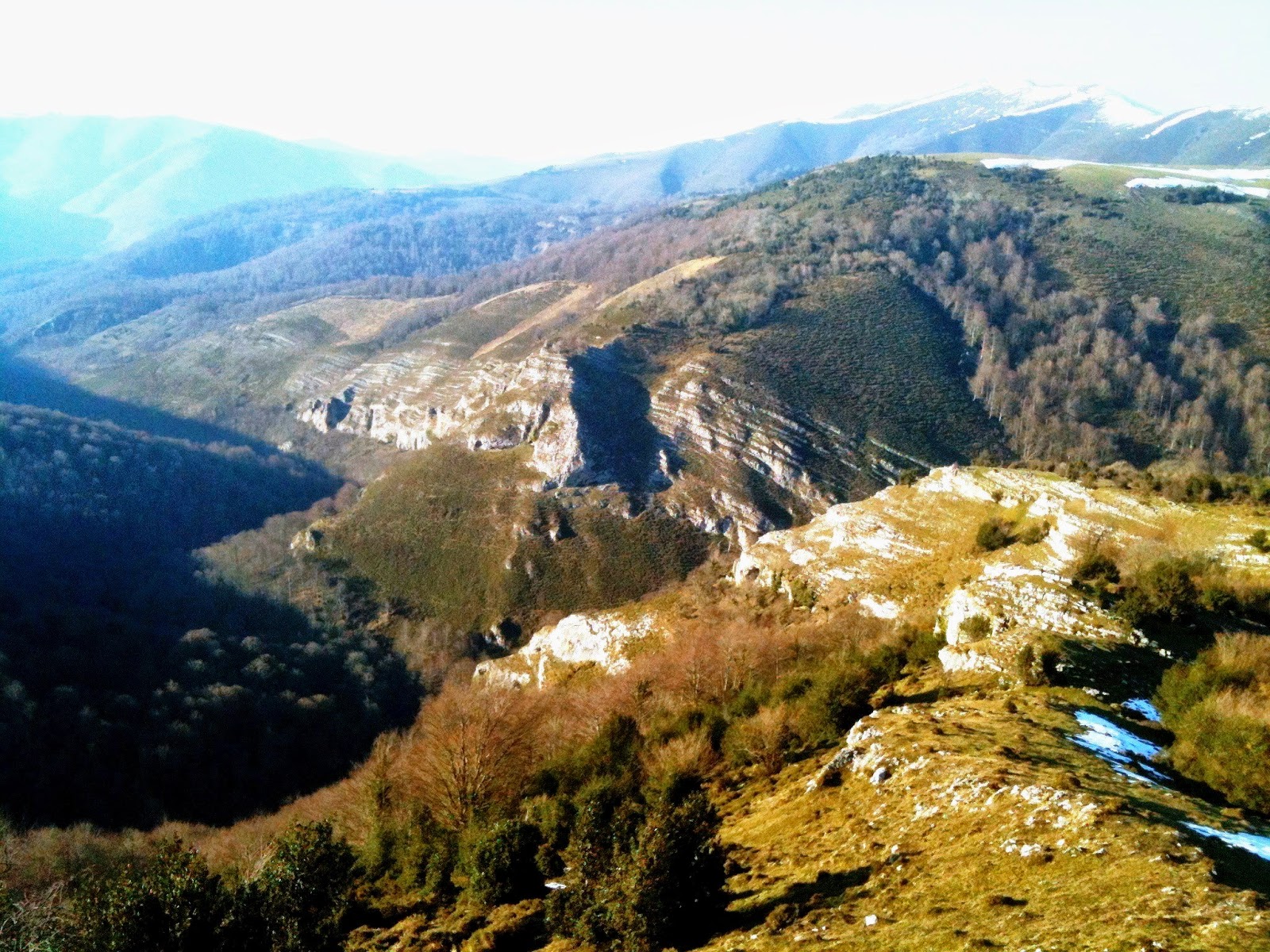
February dry freezing cold nights are followed by clear days in the northern Cantabrian valleys... Frosty are meadows and puddles are frozen, crunching beneath our feet. Patches of snow remain from the last snowfall. 


Winter path under the bare trees, beeches and oaks...  


The goshawk, disturbed in his perch, watches us with discretion, with cupped feathers to keep warm, while waiting for the day to heat up and start his feeding hunt.


Related Posts Plugin for WordPress, Blogger...